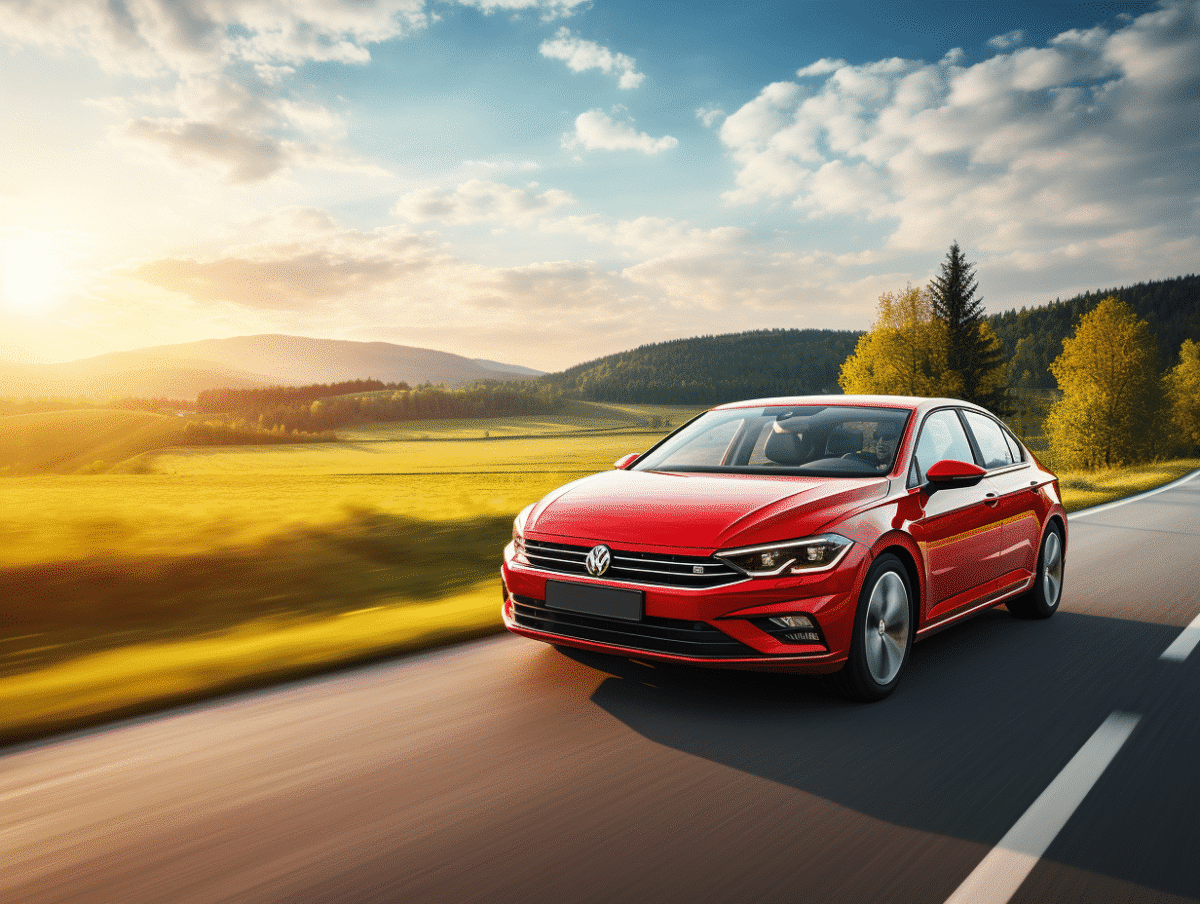
In the automotive world, power expressed in horsepower remains a key metric for buyers. But do 90 horsepower under the hood meet the daily needs of a driver? This question deserves exploration, weighing the benefits such as reduced fuel consumption and often lower insurance costs against the drawbacks, like limited performance on highways or during overtaking. This balance of power can influence driving satisfaction, safety, and economy, which are essential to the vehicle purchase decision.
Essential criteria for assessing the adequacy of 90 horsepower in a car
When discussing horsepower under the hood, it’s important to put needs and usage into perspective. For the young driver, whose primary concern is often the budget, a vehicle like the Renault Clio, with its 90 horsepower, presents itself as a viable option. Its affordable price, starting at €17,100 for a new model, and an average car insurance cost of €28 per month, reconcile purchase economy with manageable running costs. The Renault Clio, suitable for urban life and long-distance trips, offers a comfortable and economical drive, significant advantages for this category of users.
On the other hand, the Peugeot 206, available on the used market starting at €1,500, represents an appealing alternative. With a slightly higher insurance cost of €29.50 per month, it stands out for its sporty design and ergonomics, particularly appreciated by young people. These features, combined with the moderate power of 90 horsepower, make it a preferred vehicle for balancing driving pleasure and expense management. Understanding a vehicle’s power and its impact on your budget is therefore fundamental. The insurance premium, often applied to young drivers due to a 3 to 4% higher accident risk, can vary significantly based on the car’s power. Choosing a 90-horsepower engine helps reduce this surcharge while benefiting from a vehicle suited to daily demands. The Renault Clio and Peugeot 206 are two relevant examples, recommended for young drivers, that combine adequate performance with smart budget management.

Performance comparison: 90 horsepower versus other power ranges
In the automotive arena, the number of horsepower under the hood remains a marker of performance and status. Vehicles with 90 horsepower, such as the Renault Clio or Peugeot 206, are positioned as reasonable choices for urban and suburban driving. They offer a good compromise between responsiveness and fuel economy, decisive criteria for many motorists.
Against these models, vehicles like the Volkswagen Golf come into play, with higher power and, consequently, a slightly more expensive insurance cost of €31 per month. While the Golf proves to be an attractive option for young drivers, its consumption and maintenance costs could weigh more heavily on the budget than those of a 90-horsepower model.
In this equation, turbo and electric engines change the game, offering more pronounced accelerations and higher torque at low revs, even for similar nominal powers. These technologies, although more expensive to purchase, promise long-term savings in terms of fuel consumption and maintenance.
The performance comparison between 90-horsepower cars and their more powerful competitors cannot be reduced to the mere numerical value of power. Other factors come into play: the total cost of ownership, the intended use, and the driving philosophy. For primarily urban and pragmatic use, 90 horsepower seems sufficient; for those seeking more sensations or frequently hitting the road, investing in a more powerful model may prove wise.