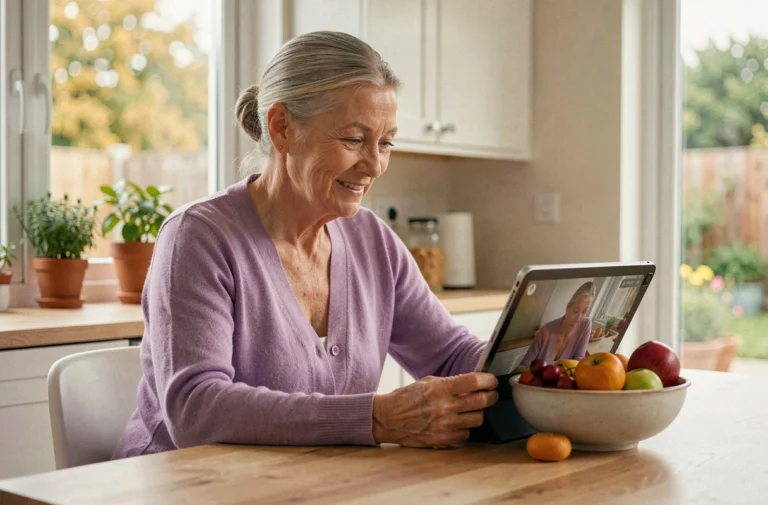
The COVID-19 pandemic has disrupted many aspects of our daily lives, including the real estate sector. From large cities to small towns, residential and professional habits have been rethought, leading to significant changes in the preferences and behaviors of buyers and renters. The rise of remote work has altered the demand for housing, with a growing interest in larger and more versatile spaces, often located away from urban centers. Real estate investors and developers are adapting to this new reality, anticipating future needs and revisiting concepts of living and working spaces.
Evolution of Buying and Renting Behaviors Post-Pandemic
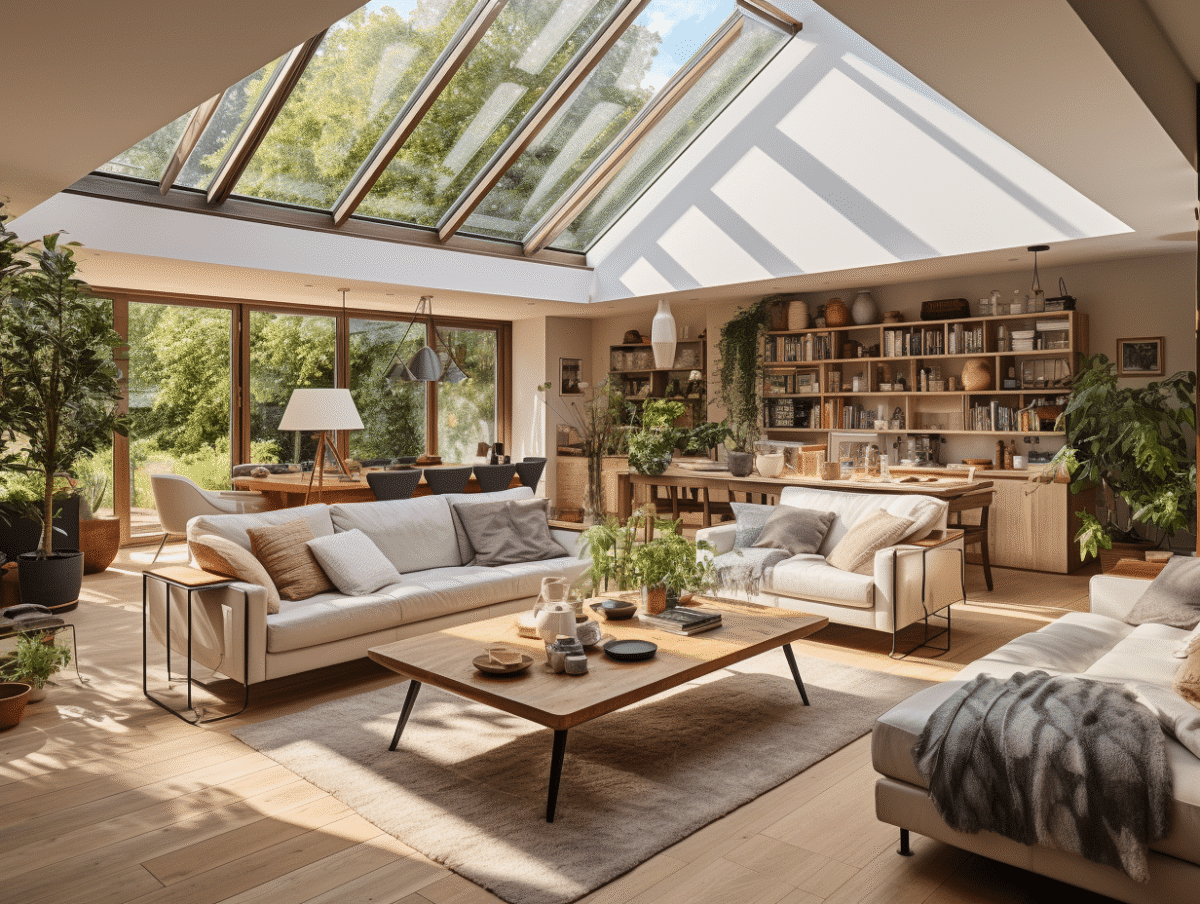
The coronavirus crisis has left an indelible mark on the real estate market in France. Indeed, as the health crisis took hold, there was a transformation of real estate purchase criteria, with a shift in preferences towards homes offering more space and, if possible, an outdoor area. This trend has resulted in an increased interest in housing in rural areas, places once considered less desirable by an urban and connected audience. Data from Ploubazlanec.fr reflects this shift, with a significant rise in property searches in these locations.
The relationship between favorable mortgage rates and the residential real estate market is also worth highlighting. Historically low rates have acted as a powerful lever, supporting the transaction market even during the most uncertain periods of the pandemic. Buyers have taken advantage of these favorable conditions to reassess their living arrangements and move into homes that better align with the new uses born from lockdown and remote work.
<Impact of the pandemic on the residential real estate market: despite initial fears, this segment has proven to be less affected than its professional counterpart. Lockdown measures have led to a reevaluation of housing needs. In this context, real estate developers have been quick to respond, hastily adapting their offerings to meet a rapidly evolving demand for more generous and flexible living spaces that can accommodate home offices or leisure areas.
Transformation of the Professional Real Estate Market and Future Perspectives
The professional real estate sector has found itself on the front lines facing the repercussions of the COVID pandemic. The decline in prices in this market segment contrasts with the relative resilience of residential real estate. Companies, reevaluating their office space needs in light of the rise of remote work, have often opted to reduce their rental space. This trend, supported by data from CRM Eudonet, highlights a rapid shift in professional requirements and a growing interest in the digitization of real estate activities.
Faced with this context, real estate developers are adapting their strategies to turn these challenges into opportunities. While the increased demand for larger homes benefits the residential market, commercial real estate must innovate to meet changing demands. Flexible, hybrid workspaces capable of accommodating various activities are becoming the norm desired by economic players.
The performance of cities in response to this health crisis is also reflected in the evolution of their real estate markets. Take the city of Le Havre, for example, where there has been a significant increase in the value of older apartments. This phenomenon illustrates the diversity of local responses to the global impact of the pandemic and the potential of certain metropolitan areas to capitalize on these changes.
The health crisis and its impact on professional real estate thus pave the way for a broader reflection on the future of workspaces. Remote work, which has become necessary, now encourages a reinvention of offices, seeking better alignment with employee aspirations and the flexibility imperatives of companies. Market players in real estate are thus invited to envision the contours of a renewed professional environment, both resilient and dynamic, in line with the lessons learned from a crisis with multiple revelations.