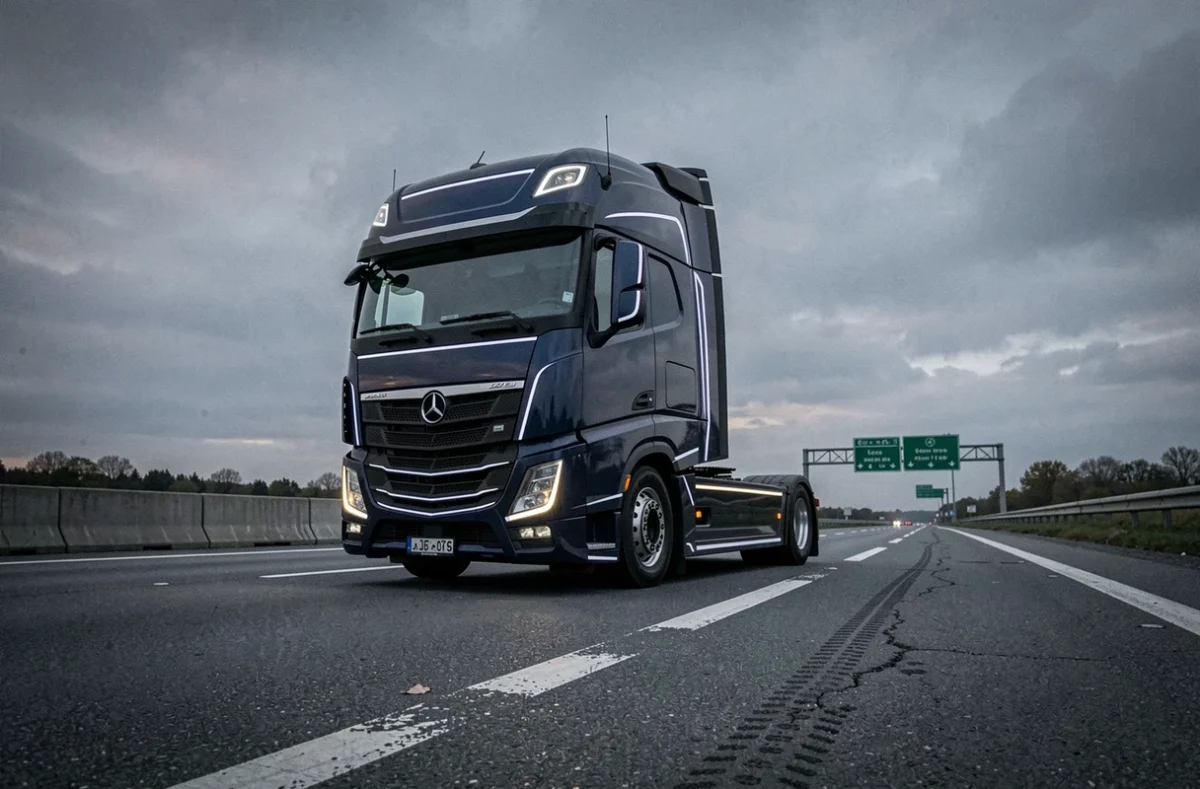
A regional carrier installing a 240 kW charging station at its Carquefou depot to recharge two electric trucks between runs is only solving part of the problem.
Choosing the truck is just one piece of the puzzle. The entire supply chain has to keep pace: connecting the site to the electricity grid, adapting routes, and, above all, ensuring compatibility with public infrastructure that is still being rolled out. In 2026, road freight news is less about the vehicles themselves than about the ecosystem needed to support them.
Depot charging and grid connections: the real bottleneck
There is plenty of talk about electric trucks, but far less about what happens when they are plugged in. A case study published in November 2026 shows that installing a 240 kW charging station for two electric trucks in Carquefou required much more than simply buying chargers. Connecting to the grid, upgrading the site’s electrical infrastructure, and reorganizing drivers’ return times proved to be the real obstacles.
This case highlights a reality many carriers discover too late: depot charging requires a rethink of how routes are organized. A truck that returns at 6 p.m. and leaves again at 5 a.m. has enough time to charge, but if two vehicles arrive at the same time and there is only one charger, the schedule falls apart. The power capacity required for the grid connection can also lead to infrastructure costs that are not apparent from the vehicle price alone.
To keep up with these operational changes as they happen, Excargot news regularly covers first-hand reports from carriers involved in the transition.
AFIR regulations and the rollout of European corridors for heavy-duty vehicles
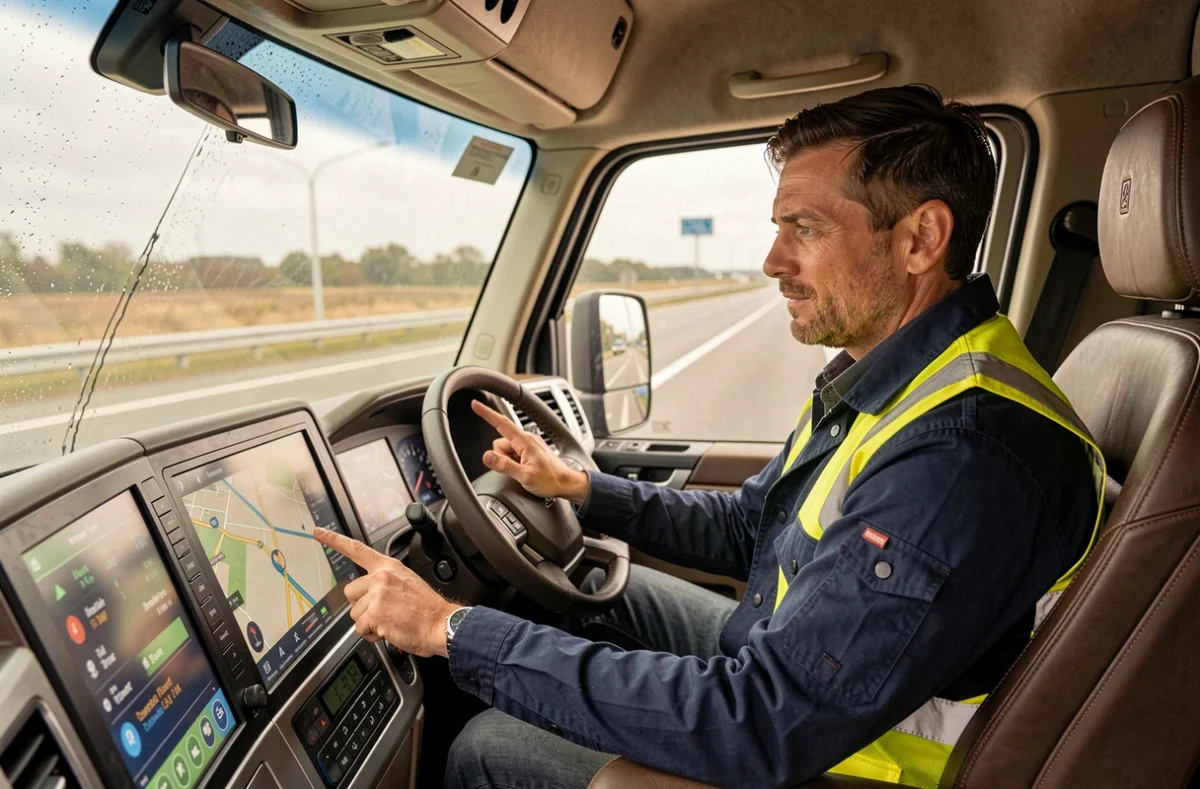
Depot charging is not enough for long-haul transport. The AFIR (Alternative Fuels Infrastructure Regulation) sets a timetable for rolling out stations for heavy-duty vehicles along the Trans-European Transport Network (TEN-T). The first milestone was the end of 2025, with further expansion planned by 2027 and then 2030.
The coverage of high-power charging stations will determine whether electric trucks are viable on cross-border routes. Without stations that are sufficiently close together and powerful enough, a carrier operating between France and Germany cannot plan journeys as predictably as it can with diesel. The challenge shifts from vehicle technology to infrastructure planning on a continental scale.
What AFIR means in practice for fleets
- Stations must be placed at regular intervals along the TEN-T network, with power levels suited to heavy-duty vehicles—not simply chargers designed for passenger cars
- The phased rollout (2025, 2027, 2030) means that carriers investing in electric vehicles today will be operating on a network that is still incomplete, effectively limiting the long-distance routes they can serve
- Coordination between member states remains a major challenge: a charger installed in France does not guarantee that an equivalent station will be available at the same intervals in Belgium or Germany
For regional fleets whose routes rarely exceed 200 km, depot charging may be enough. For international transport, the focus shifts to the reliability of the public network.
Weight and dimensions of zero-emission trucks: the payload paradox
An electric truck weighs more than an equivalent diesel model because of its batteries. This extra weight mechanically reduces the payload it can carry if the regulatory limit remains unchanged. The European debate concerns cross-border travel for 44-tonne vehicles and possible exemptions for zero-emission trucks.
A weight limit that is too low can mean more trips are needed to carry the same volume of goods. The result is paradoxical: the number of kilometres driven could increase, along with road wear and congestion, making the net environmental benefit questionable. The issue was raised in a parliamentary question in the French Senate in 2026, a sign that it is gaining traction on the political agenda.
Cross-border coordination as a decisive factor
Several European transport associations are urging the European Union to complete its revision of the Weights and Dimensions Directive. The issue is not merely technical. A French carrier authorized to operate at 44 tonnes in France could be in breach of the rules when crossing a border if the neighbouring country applies a different limit to electric vehicles.
This regulatory fragmentation is slowing the adoption of zero-emission trucks for international freight. The transition depends not on choosing a truck, but on coordinating charging, infrastructure and payload rules across countries.
Fleet perceptions and the economic reality of electric trucks
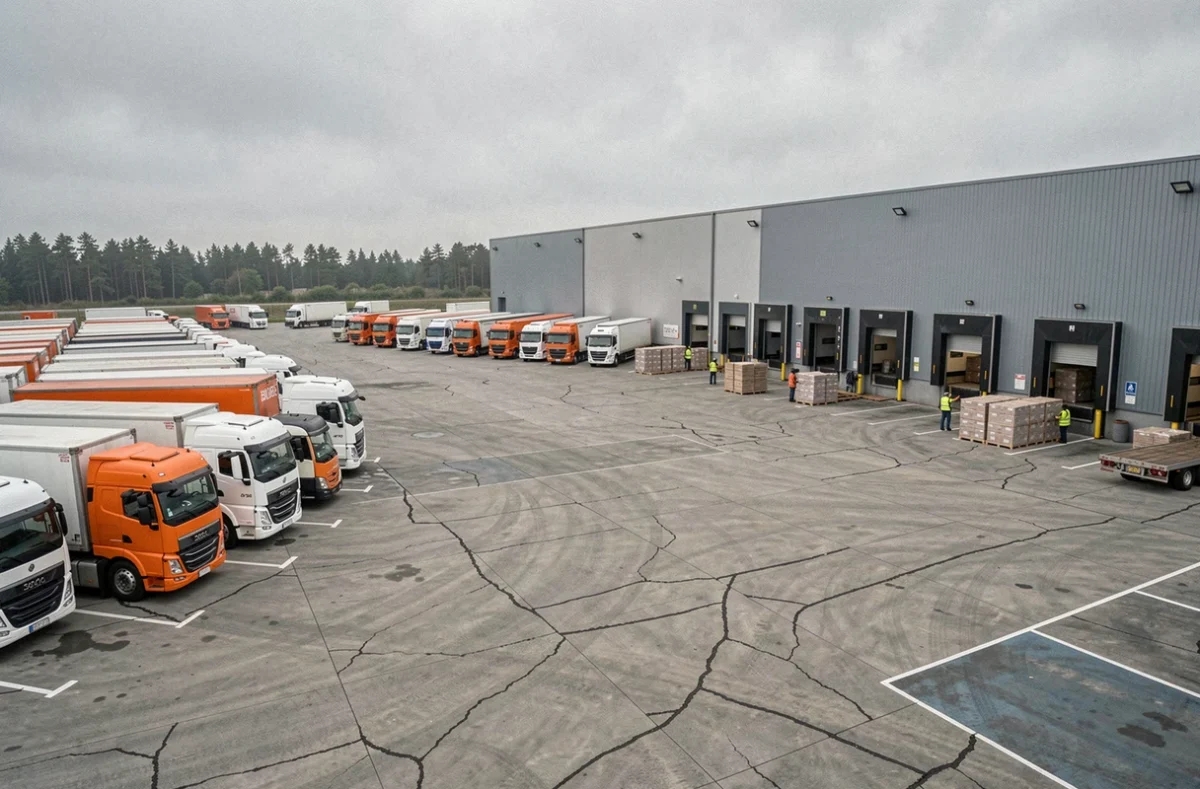
For operators, the profitability of electric vehicles still depends on highly local factors: electricity prices at the depot, actual access to public chargers, and the types of routes they operate. Access to charging stations is repeatedly cited by fleet managers as the main obstacle.
There is a gap between industrial supply—with manufacturers adding more and more zero-emission models—and carriers’ actual ability to integrate them into day-to-day operations. Conditions vary widely between a company running fixed urban routes and one operating regular 500 km routes.
- Short urban or regional routes: depot charging is sufficient in most cases, and the business case can already work
- National routes of 300 to 500 km: reliance on the public high-power charging network makes the economics less certain
- International transport: until the AFIR network is complete and weight rules are aligned, diesel or biofuel often remain the default choice
The road freight sector is going through a period in which investment decisions depend less on the technology available than on the infrastructure and regulations surrounding it.
A carrier looking to switch to electric vehicles must now weigh the cost of the vehicle against the cost of the grid connection, charger availability along its routes, and payload rules that determine how much freight it can actually carry. This balancing act, far more than the choice of manufacturer, is shaping the transition underway.