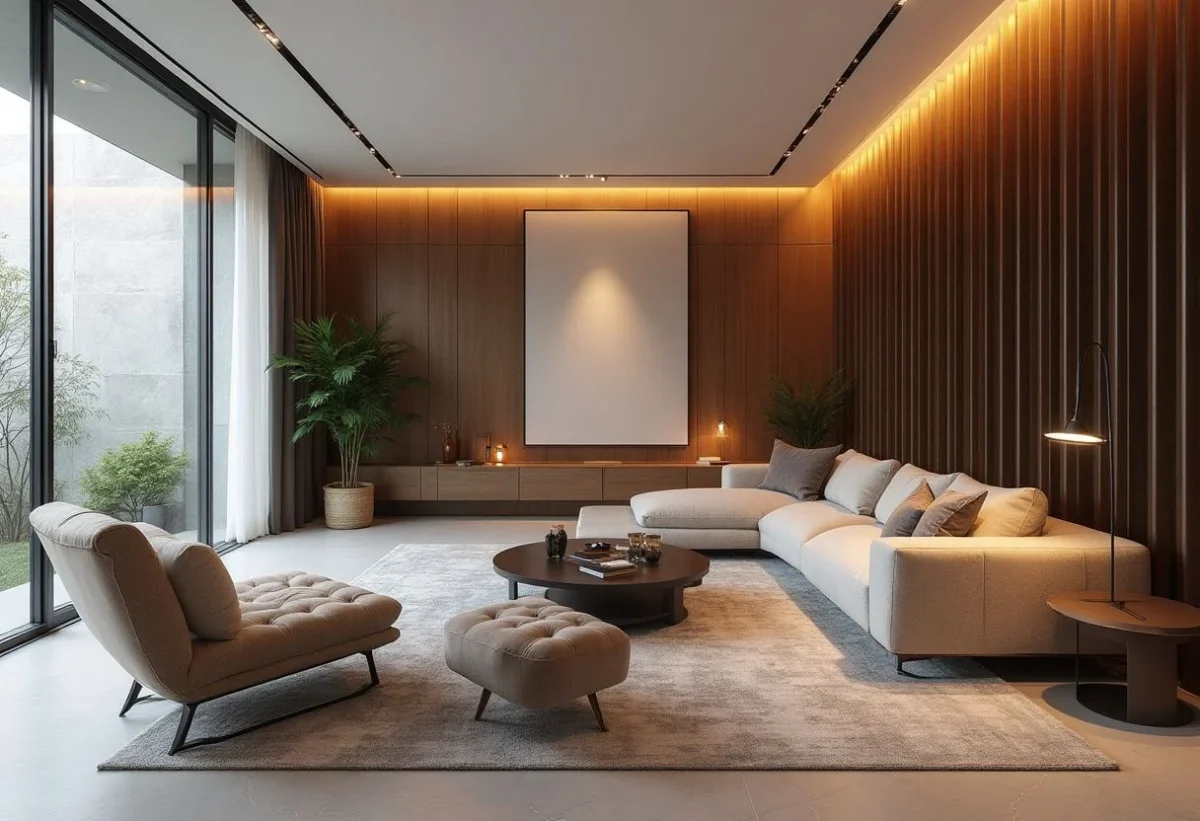
Interior architecture schools are as fascinating as they are educational. At the intersection of art, aesthetics, and functionality, these institutions provide a space for creation and innovation for those who wish to redefine living and working spaces. Interior architecture is not limited to beautifying spaces; it requires a deep understanding of materials, light, volumes, and user needs. Every year, thousands of students choose to embark on this path, drawn by the possibility of transforming interior spaces into functional works of art.
The academic path in interior architecture
Entering the world of interior architecture begins with a rigorous and diverse training offered by specialized schools. These academic programs are designed to equip future architects with comprehensive technical and artistic expertise.
- Bachelor’s program: a course in interior architecture generally starts with a bachelor’s program. This path offers an immersion in the fundamentals of design, combining theory and practice. Students explore the principles of spatial design, color theory, material usage, and the history of architecture.
- Professional internships: formal education is often complemented by internships, allowing students to gain practical experience and familiarize themselves with market realities. Collaborations with industry professionals are encouraged to enrich their learning.
- Final projects: finally, students undertake a final project, a true showcase of their talent and creativity, which often serves as a springboard for their professional careers.
Essential skills for an interior architect
Mastering interior architecture requires a range of skills that go well beyond mere artistic talent. Interior architecture schools focus on developing a variety of know-how in their students that prepares them for the challenges of the profession.
It is crucial for students to develop a deep understanding of computer-aided design (CAD) software, which is essential for creating precise plans and 3D models. The ability to design functional and aesthetic spaces relies as much on intuition as on technique. Concepts of spatial psychology and ergonomics are also taught to design spaces that harmonize with human needs and behaviors.
The ability to collaborate effectively with other professionals, such as engineers, contractors, and clients, is a key skill. Students are therefore trained in project management and communication to ensure that their designs come to life smoothly and harmoniously.
Job prospects and career opportunities
Graduates of interior architecture schools benefit from a multitude of professional opportunities. Their skills are sought after in various sectors, offering flexibility and enriching career potential.
- Design agencies: many interior design agencies seek young talent to join their teams. These agencies provide a dynamic environment where new graduates can learn from experienced designers while bringing their own creative vision.
- Renovation companies: participating in large-scale renovation projects allows interior architects to work on diverse and challenging projects, ranging from the rehabilitation of historic buildings to the modernization of commercial spaces.
- International career: with internationally recognized training, graduates can aspire to careers abroad, thereby enriching their professional and personal experience.
The role of schools in professional development
Interior architecture schools play a central role in the professional development of their students, providing them not only with technical skills but also preparing them to adapt to the changing trends of the industry.
By incorporating courses on new technologies and innovative methodologies, institutions train graduates capable of meeting the current needs of the market. An interior architect school also contributes through its alumni network and partnerships with industry players, offering opportunities for mentorship and continuous professional development.
Their role does not stop at awarding diplomas. By organizing conferences, workshops, and exhibitions, they provide a platform where talents can be recognized and showcased.
Interior architecture schools are much more than educational institutions. They are the guardians of creativity and innovation in the field of spatial design. By preparing their students to embrace the challenges of the future, they ensure that the spaces we inhabit continue to inspire and delight. For those who choose this path, the journey is as captivating as the destination itself, transforming each space into a canvas of expression.