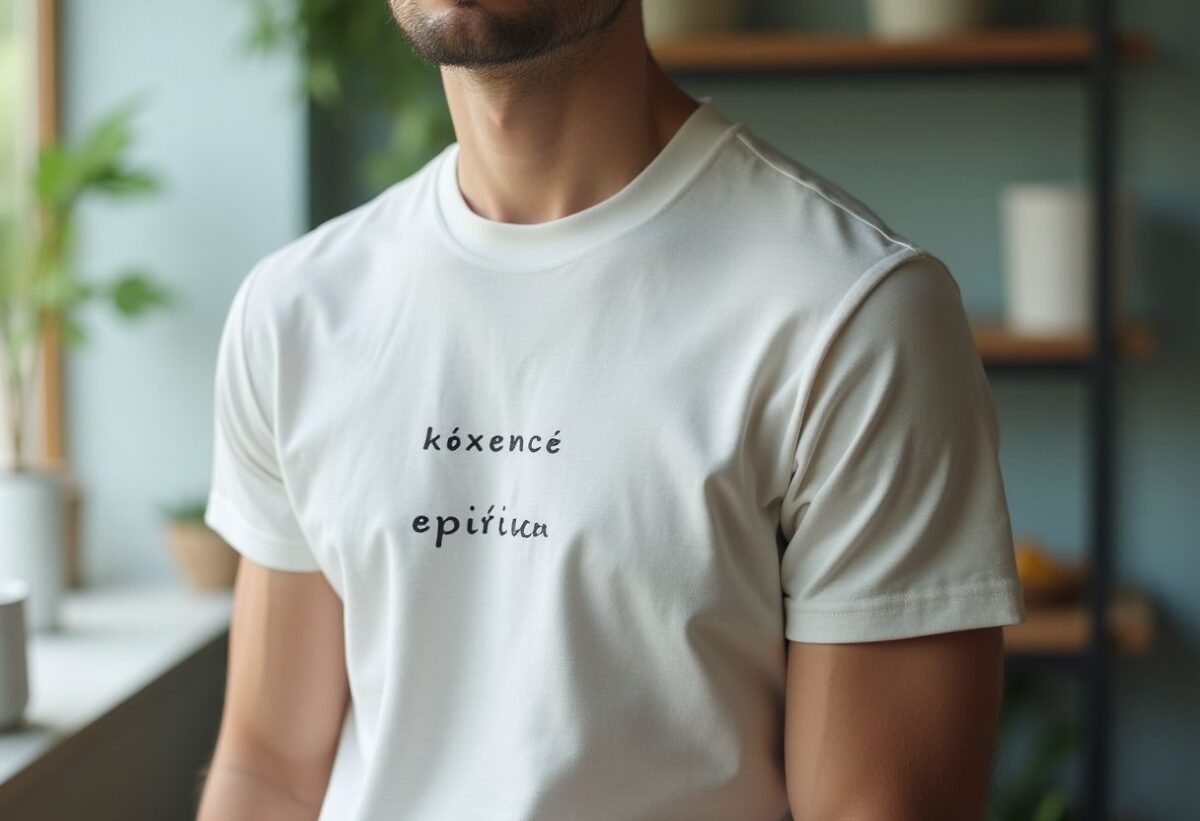
In terms of fashion, the t-shirt remains an essential piece, combining comfort and personal expression. With the rise of customization and environmental concerns, one question arises: are custom t-shirts made in France truly more sustainable? While the global market is filled with options, France stands out for its craftsmanship, commitment to quality, and sustainability. Local manufacturing, combined with a growing awareness of ecological issues, positions the country as a leading player in the custom clothing sector.
French manufacturing: a guarantee of quality
France’s reputation in fashion and textiles is based on a tradition of quality and innovation. The production of custom t-shirts on national soil is no exception.
- Materials: French producers often prioritize high-quality raw materials. Organic cotton and recycled fibers top the list. These materials not only ensure superior comfort but also reduce the carbon footprint.
- Expertise: Working with local manufacturers ensures that every step of the production process benefits from artisanal know-how. This includes environmentally friendly dyeing techniques and garment-making practices that minimize textile waste.
- Standards: Manufacturing in France is subject to strict labor and environmental standards. These guidelines enhance product sustainability while ensuring fair working conditions.
Environmental impact: reducing the carbon footprint
One of the most appealing aspects of custom t-shirts made in France is their potential to reduce environmental impact compared to mass imports.
Local production significantly reduces CO2 emissions associated with transportation. By shortening the distance between the factory and the consumer, the carbon footprint is considerably diminished. French brands often adopt more eco-friendly production practices, integrating renewable energies and recycling processes. This commitment to sustainability also reflects in the reduced use of water and harmful chemicals during manufacturing. Furthermore, a custom t-shirt produced locally encourages a circular economy, extends the lifespan of garments, and promotes recycling, thus contributing to a more responsible consumption model.

Sustainability and longevity: the advantages of made-in-France t-shirts
Beyond environmental concerns, the physical durability of custom t-shirts made in France also deserves to be highlighted.
High-quality textiles used ensure that the garments withstand daily wear better. Careful finishes, such as reinforced seams, add an extra layer of robustness, thus extending the lifespan of the items. The colors and patterns, often printed with superior quality inks, retain their vibrancy even after numerous washes. Thanks to these features, consumers benefit from a better quality-price ratio and a more sustainable wardrobe, while supporting an ethical and responsible textile industry.
The role of consumers in the sustainability cycle
While manufacturers play a crucial role in creating sustainable clothing, consumer choices are equally decisive in this process.
By opting for locally made custom t-shirts, consumers not only support the French economy but also encourage ethical consumption practices. A conscious purchase fosters a transparent supply chain and encourages other brands to adopt similar models. Consumers can also extend the life of their garments by practicing proper care and preferring repair over replacement. This approach prolongs product durability and reduces their overall environmental impact.
Choosing custom t-shirts made in France aligns with a responsible consumption approach. Combining quality, craftsmanship, and environmental respect, these garments embody a sustainable alternative to imported mass-produced products. By supporting local manufacturers, consumers can play an active role in preserving the environment and promoting fair production standards.