In the kitchen, precision is often the key to success. Accurate measurements of ingredients can make the difference between a delicious dish and a culinary disaster. Knowing how to convert units of measurement, such as centiliters to milliliters, proves essential. Indeed, some recipes require their use. But how do you accurately convert 10 centiliters of milk into milliliters? This practical guide will teach you how, providing a simple and effective method for measuring accurately without making mistakes.
Milk: Multiple Units of Measurement
In the section ‘The necessary tools for precise measurement’, we will explore the essential instruments that allow for a precise conversion of 10cl to ml. As a reminder, in the world of measurements, 10cl equals 100 milliliters.
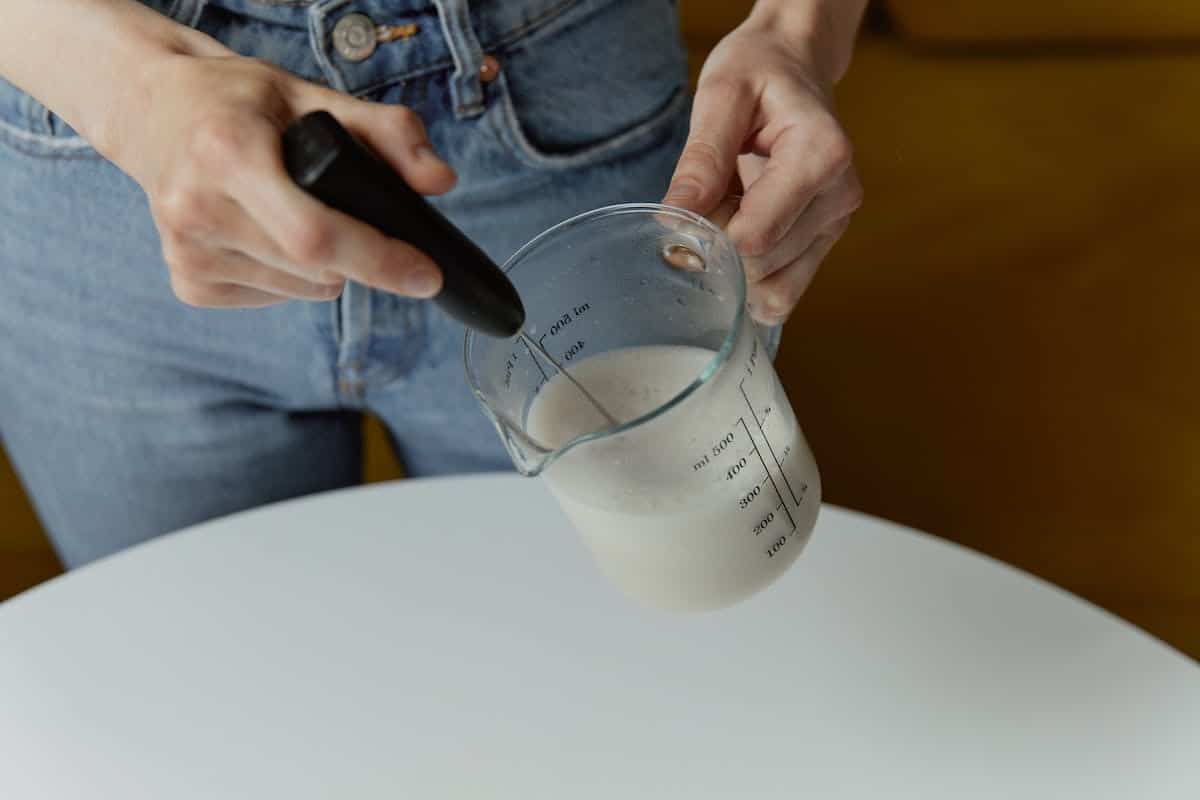
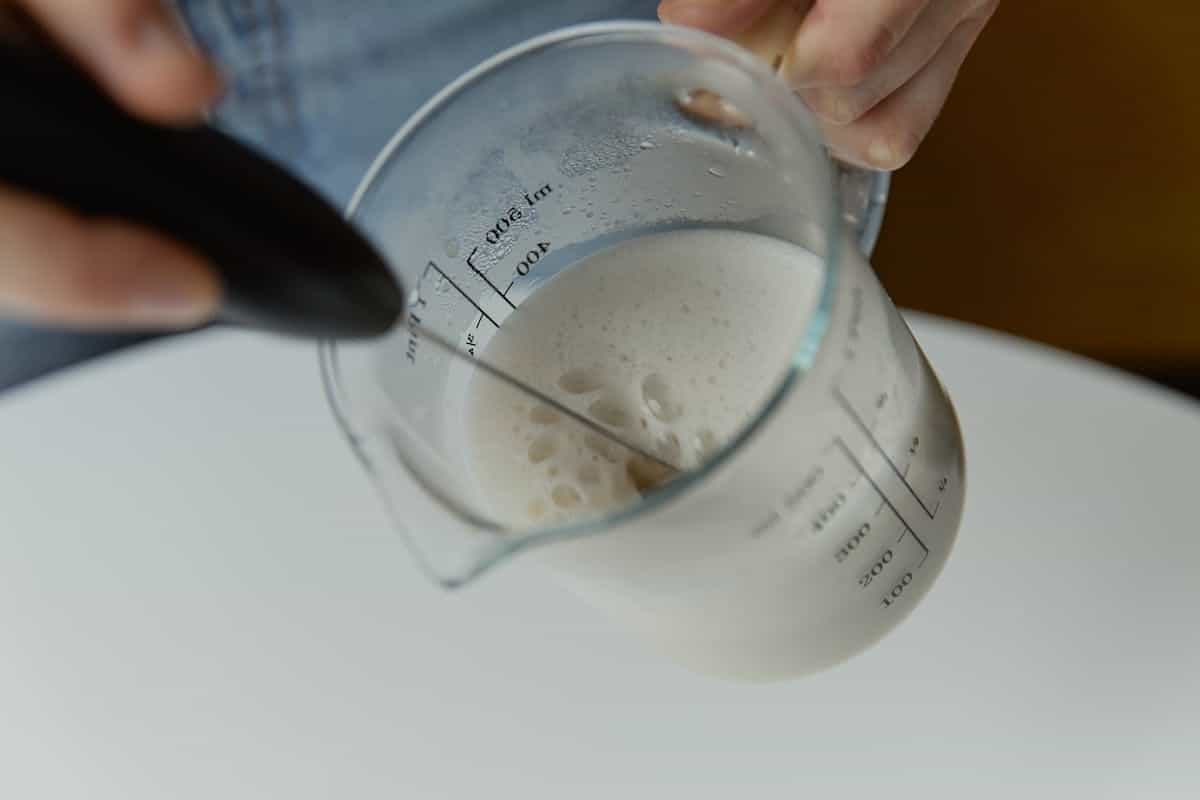
The measuring cup is a must-have for any volumetric conversion. It offers a direct and simple reading of the volume of a liquid. To convert our famous ’10cl to ml’, simply pour the liquid until you reach the graduation marked ‘100 ml’. It is the ideal tool to ensure an exact measurement with ease.
Another very handy tool is the electronic scale with a tare function. It allows you not only to weigh your ingredients to the gram directly in their container, but some sophisticated models even offer an option for automatic conversion between multiple units.
If you still do not have these utensils when it comes to converting ’10cl to ml’ accurately, do not hesitate to use current digital technologies. Smartphones and tablets are often equipped with free applications offering very practical calculators or unit converters, whether in the kitchen or elsewhere.
It is therefore crucial to have the right tools if you want to succeed in your conversions, such as going from ’10 cl’ to ‘ml’. With these few elements on hand, your culinary art will be as rigorous as a true scientific discipline while maintaining that poetic touch necessary for gustatory pleasure.
Essential Tools for Measuring Milk
In the section dedicated to the conversion of centiliters to milliliters, we will explore various techniques to achieve a precise measurement of 10 cl of milk in milliliters. This conversion is essential for meticulously following recipes and achieving optimal culinary results.
The first method involves using a graduated measuring cup. This type of instrument allows for easy measurement of the volume of a liquid, with a precise graduation indicating the milliliters. To convert our 10 cl to ml, simply fill the cup until you reach the mark corresponding to 100 ml. This method is simple and practical, offering a direct reading of the volume without requiring additional calculations.
Another very useful option is to use an electronic scale equipped with a tare function. By placing your container on the scale and activating this specific function, you can obtain the exact weight of the liquid contained within it.
Converting cl to ml: A Piece of Cake
Let’s continue our exploration of tips for obtaining a precise measurement of 10 cl of milk in milliliters. A third method involves using a graduated pipette. This tool allows you to precisely aspirate the liquid and drop it drop by drop into a graduated container. By following the indications on the scale, it is possible to easily obtain the exact desired quantity.
For those who prefer to use their visual sense, there are also graduated test tubes. These small cylindrical tubes are marked with millimeter markers, allowing for a precise reading of the contained volume. By gently pouring the milk into the tube until you reach the graduation corresponding to 100 ml, you will obtain your measurement reliably.
Tips for Impeccable Milk Measurements
The importance of precision in recipes cannot be underestimated. Indeed, a simple difference in the quantities used can have a significant impact on the taste and texture of dishes. That is why reliable and precise measuring methods are necessary.
The conversion of 10 cl of milk into milliliters is a concrete example that highlights this importance. In a recipe, each ingredient has its specific role, and if the proportions are altered, it can compromise the overall balance of the dish.
A common mistake often encountered when measuring liquids is using a simple cup or tablespoon to measure the liquid. These utensils do not provide sufficient precision to obtain the exact required quantity. Therefore, it is better to use more suitable tools.
Among these tools are the graduated pipettes and graduated test tubes we have already mentioned, but there are also other options such as graduated cylinders or measuring cups specifically designed to accurately measure different liquid quantities.
By using these appropriate instruments, you can ensure that your recipe will be executed accurately and that your dishes will always have the same flavor profile, regardless of their respective volumes.
Another undeniable advantage of precise measurement is that it allows both amateur and professional chefs to be consistent in their culinary creations. When you manage to reproduce exactly the same proportions of a dish, you can be sure that it will always have the same delicious taste.
Precision in measurements in the kitchen is essential for achieving reliable and tasty results. By using suitable measuring tools such as graduated pipettes, test tubes, or a kitchen scale, you will be able to convert 10 cl of milk into milliliters with exemplary precision.
Measurement Precision: The Key to Culinary Success
Becoming an expert in milk measurement requires a certain rigor and the use of appropriate tools. Precision is essential in the culinary field to achieve consistent and flavorful results.
To measure 10 cl of milk in milliliters accurately, it is recommended to use specialized instruments such as graduated pipettes, graduated test tubes, or measuring cups specifically designed for liquids. These tools allow for precise and reliable conversion, ensuring accurate dosing.
It is important to respect the units of measurement during conversion. Cl (centiliters) are commonly used in French recipes, while ml (milliliters) are more widespread internationally. This difference should be taken into account to avoid any confusion during conversions.
It is crucial to be aware that each ingredient has its own density and can vary depending on different factors such as temperature or the quality of the product used. Therefore, even with precise measurement, some variations may occur.
With this knowledge and practices acquired over time, you will be able to adapt your recipes according to the different required quantities while maintaining the desired flavor balance.
Being able to convert 10 cl of milk into milliliters requires not only a deep understanding of the appropriate techniques but also regular practice to refine your measurement skills. By becoming an expert in the field, you will be able to cook with precision and confidence, creating delicious dishes that will delight the taste buds of all who have the pleasure of tasting them.
Becoming a Pro at Milk Measurement
To perfect your mastery of liquid measurement conversion, think about understanding the main advantages of precise conversion. Indeed, an exact measurement of milk in milliliters allows for consistent texture and taste in your culinary preparations.
When you follow a recipe to the letter, each ingredient plays a key role in the final result. An incorrect quantity can compromise the balance between the different elements and thus alter the overall quality of the dish. Therefore, the precise measurement of 10 cl of milk in milliliters ensures that you strictly adhere to the recommendations of the chef or recipe author.
This rigor in measurements also offers a significant economic advantage. By knowing exactly how many milliliters correspond to 10 cl, you avoid unnecessary waste. You can adjust your portions accordingly and thus optimize the use of your star ingredient—milk.
For those with specific health constraints such as lactose intolerance or allergies to traditional dairy products, correctly converting units becomes essential when it comes to using plant-based substitutes like almond or soy milk. With precise measurement in milliliters, you can perfectly adjust these alternatives to achieve tasty results without compromising your personal well-being.
Let’s not forget that precision is also essential when you want to reproduce a recipe. If you have successfully created a delicious dish with 10 cl of milk in milliliters, it is crucial to be able to replicate that performance identically in your future cooking. Precise conversion then becomes your ally in maintaining consistency and satisfying your taste buds as well as those of people who appreciate your culinary talent.
Accurately converting liquid measurements in your recipes offers several undeniable advantages: consistent texture, balanced taste, ingredient economy, and adaptation to specific needs. By mastering the conversion of 10 cl of milk into milliliters, you not only enhance your culinary skills but also the pleasure you provide to those who have the privilege of savoring your gastronomic creations.