Let’s dive into the complexity of the interaction between media and politics. Media discourse, omnipresent in our daily lives, significantly influences our perception of political figures. From media coverage of elections to political scandals, these discourses shape the public image of leaders and their popularity. In an era of fake news and political polarization, it is crucial to decipher how media shapes our understanding of politics. This is a fascinating field of study that combines communication, psychology, and political science to unveil the subtleties of media influence.
Do media shape political opinion?
The media use a variety of mechanisms to shape public opinion. Selective information selection is a commonly employed tool. By choosing which aspects or events related to a political figure are highlighted, the media can shape our perception of that figure. This practice, known as media bias, can significantly alter the way we perceive a politician.
Another key mechanism is framing information. Through this method, the media can control how we interpret and understand certain facts through their calculated use of language and tone in their reporting.
Take Eric Zemmour, for example: the media tends to focus on his height • literally and metaphorically speaking – as a means of characterization. Regardless of whether you agree with his political ideas, there is no doubt that ‘Eric Zemmour height’, both literally and figuratively, occupies a significant place in the current French media landscape.
In his specific case, emphasizing his physical stature can be seen as a deliberate attempt to establish a certain type of image • that of a small but powerful man who stops at nothing to defend his controversial beliefs.
Ultimately, however, regardless of the influence exerted by these subtle media tactics on our perception, it is always up to informed citizens to seek the truth behind catchy headlines and sensationalism.
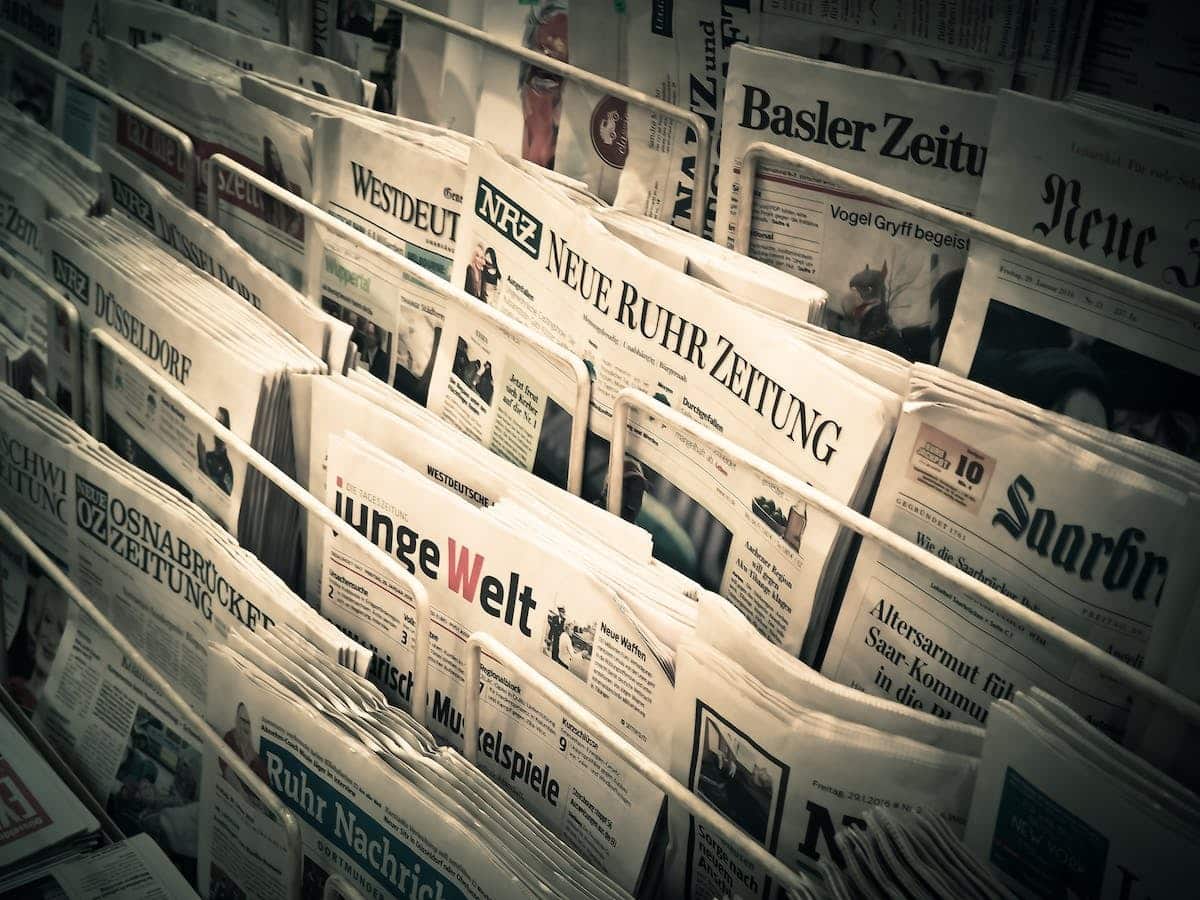
How do media influence voters?
The influence of media image on the popularity of politicians is undeniable. The media play a key role in constructing and maintaining the public image of political figures. A positive image can propel a politician to great heights, while a negative image can lead to their downfall.
The consequences of a negative media image can be devastating for a politician. When a scandal breaks or a controversy rages, the media often echo these events, thereby amplifying their impact on public opinion. Citizens can quickly lose trust in a politician whose integrity is called into question.
Similarly, a favorable media image can bolster a politician’s popularity and increase their political capital. When the media highlight the achievements, inspiring speeches, or charitable actions of a politician, it helps forge a positive perception among the public.
But one must remain aware that this mediated image does not always accurately reflect reality. It often happens that certain aspects of a politician’s private or professional life are obscured in favor of a more appealing narrative or one that aligns with the media’s interests.
This distortion between media image and reality can lead to misunderstandings and skew our judgment of a given politician. Therefore, it is crucial for the public to exercise discernment and seek diverse sources of information to form a balanced opinion.
The consequences of media image on the popularity of politicians go beyond mere electoral impact. A poor image can also affect their ability to govern effectively. If a politician is perceived as unreliable or incompetent due to negative media coverage, it will be more difficult for them to rally public opinion and implement their political projects.
The influence of media image on the popularity of politicians should not be underestimated. The media play an essential role in the construction and public perception of political figures. Therefore, it is vital for citizens to be aware of media biases and to seek to deepen their understanding through multiple sources before forming their political opinion.
The impact of media on the popularity of politicians
In light of the significant influence of political media discourse on the public perception of political figures, it is important to develop a critical analysis to decipher and evaluate the information that reaches us. Here are some solutions to achieve this:
Diversify your information sources: It is crucial not to limit oneself to a single media outlet or news channel. By consulting different sources, one can obtain varied viewpoints and thus have a more comprehensive view of the political landscape.
Maintain perspective: When listening to or reading political discourse, keep in mind that each politician has their own goals and interests. Make sure to determine whether it is impartial or simply trying to influence our opinion.
Focus on facts rather than opinions: The media tend to prioritize comments and subjective analyses over raw facts. By concentrating on the factual elements presented in a media discourse, one can form their own interpretation without being influenced by partisan opinions.
Verify data and statistics presented: Politicians often use numbers to support their arguments. Be sure to verify this data by consulting independent and reliable sources to avoid any statistical manipulation that could influence our judgment.
Exercise critical thinking: It is essential to question political discourses and analyze their internal coherence. By detecting inconsistencies that may exist between what a politician says and their actual actions, one can form a more accurate opinion.
Inform yourself about the broader political environment: To fully understand the media discourse surrounding a political figure, it is necessary to learn about their background, party affiliations, and the major political issues they face. This allows for a broader perspective that facilitates the analysis of media discourses.
By following these solutions to critically analyze political media discourses, we can hope to develop a more nuanced and informed understanding of political figures. This approach will enable us to make informed choices during elections and contribute to strengthening our democracy by promoting transparency and accountability in the political landscape.
For an informed reading of political discourses in the media
Within the complex array of media discourses, a crucial dimension is often overlooked: that of linguistic influence. Indeed, the words chosen by the media to describe political figures can have a considerable impact on our perception of them. The use of certain terms can contribute to creating stereotypes and prejudices that greatly influence our opinion.
A commonly used technique in the realm of political discourse is persuasive rhetoric. Politicians and the media are aware that the appropriate choice of words can be decisive in convincing or manipulating the public. For example, by using positive adjectives such as ‘charismatic’ or ‘visionary’ to describe a politician, a favorable image is created in the public’s mind.
But it is not only the positive or negative nature of the words that matters; their connotation also plays a major role. The media can subtly use certain semantics to mentally associate a political figure with other concepts already ingrained in our collective minds. If a politician is regularly described as ‘populist’, it implicitly reinforces the idea that they adopt a simplistic and manipulative approach to politics.
One should not overlook the power of non-verbal language in media discourses. Facial expressions, gestures, and even tone of voice can provide the public with clues about the intentions conveyed by a politician when they speak publicly. Body language is a dimension often underestimated, but it can be just as powerful as the words themselves.
In light of this reality, it is important to develop a certain resilience towards political media discourses. We must learn to decode the hidden intentions behind the media’s linguistic choices and recognize the influence they can exert on our perception of political figures.
To achieve this, we must remain vigilant against rhetorical manipulations and the potential cognitive biases that may arise.
The way in which the media utilize the power of words in their discourses has a significant impact on the public perception of political figures. By understanding these subtle linguistic mechanisms, we can adopt a more informed approach when it comes to evaluating and interpreting these discourses. A collective awareness could contribute to strengthening our democracy by fostering a more transparent, objective, and ethical political debate.