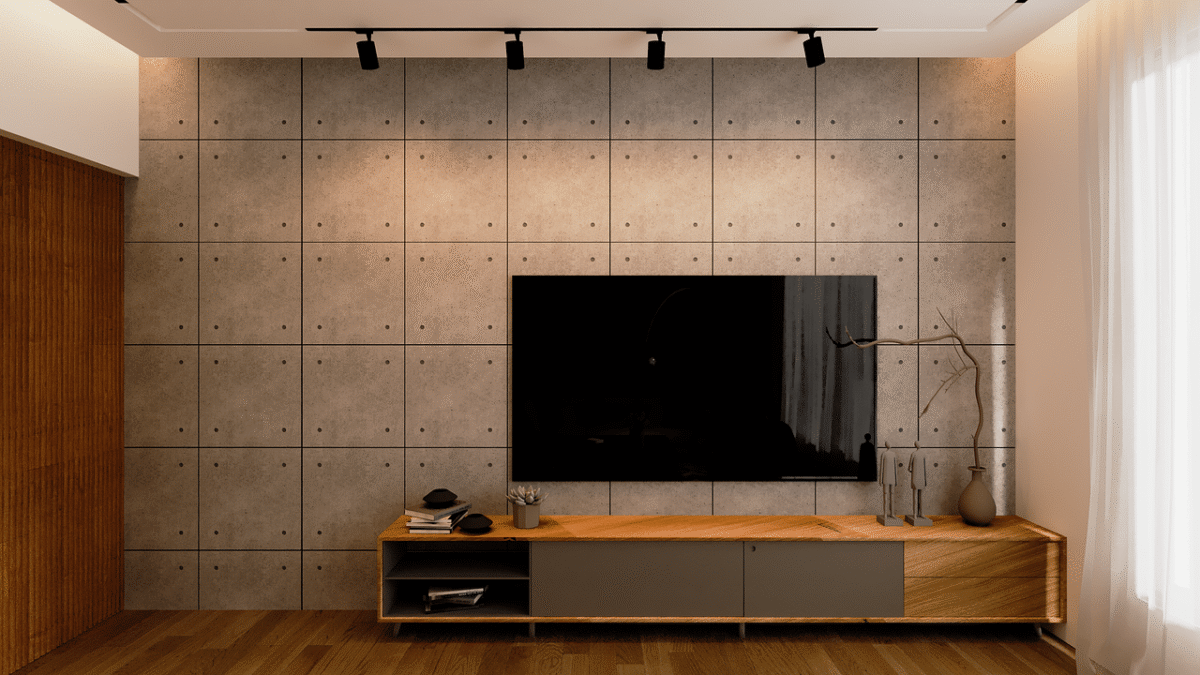
Are you considering transforming your interior and hesitating on the type of cladding to adopt to enhance your walls? The choice of cladding is crucial for giving character to a room, playing with textures and colors. There is a multitude of materials and styles that can suit all tastes and atmospheres. Whether you are drawn to the authenticity of wood, the modernity of concrete, the elegance of stone, or the warmth of brick, each option has its own advantages and disadvantages.
Wood Cladding
Wood is a noble and warm material that fits perfectly into many interior decoration styles.
Wood cladding creates a cozy and natural atmosphere, bringing a touch of authenticity to your space. There are several types of wood that can be used, each with its own characteristics:
- Pine: economical and easy to work with, it offers a light and bright hue.
- Oak: robust and elegant, it is appealing for its durability and darker hue.
- Teak: exotic and resistant to humidity, ideal for rooms like the bathroom.
Wood requires regular maintenance to preserve its beauty and longevity. It can be treated to enhance its resistance to external aggressions.
Stone Cladding
Stone, a symbol of elegance and robustness, gives an incomparable character to your interior. It comes in several varieties:
- Natural stone: each stone is unique, offering varied colors and textures.
- Marble: synonymous with luxury, it adds a touch of sophistication with its characteristic veins.
- Granite: resistant and durable, it is particularly suitable for high-traffic areas.
Stone cladding is ideal for rustic or contemporary atmospheres and can be used both indoors and outdoors. It is also appreciated for its insulating properties.
Brick Cladding
Bricks bring a vintage and industrial character, very trendy in lofts and open spaces. Here are some options to consider:
Brick wall cladding is solid and aesthetic, offering a wide range of colors and finishes, from traditional red to weathered white. Thin brick veneers, less thick, are an interesting alternative for renovation work, as they are easier to install. Finally, brick slips perfectly mimic the look of traditional brick while being lightweight and easy to handle. They are perfect for covering existing walls without weighing them down.
Concrete Cladding
Concrete is synonymous with modernity and minimalism. It is highly appreciated in contemporary decor. Here are the most common types of concrete cladding:
- Raw concrete: perfect for an industrial atmosphere, it pairs well with materials like metal and glass.
- Polished concrete: smooth and shiny, it adds a sophisticated touch and can be tinted in various shades.
- Concrete panels: easy to install, they allow for quickly creating a modern atmosphere.
Concrete cladding is durable and requires little maintenance. It is also resistant to shocks and stains, making it a practical option for heavily frequented spaces.
Choosing the right type of cladding depends on several factors, such as your personal tastes, the style of your interior decoration, and the characteristics of the room. Whether you opt for the warmth of wood, the elegance of stone, the charm of brick, or the modernity of concrete, each material will bring a unique touch to your space. Take the time to carefully consider your needs and preferences to make an informed choice.