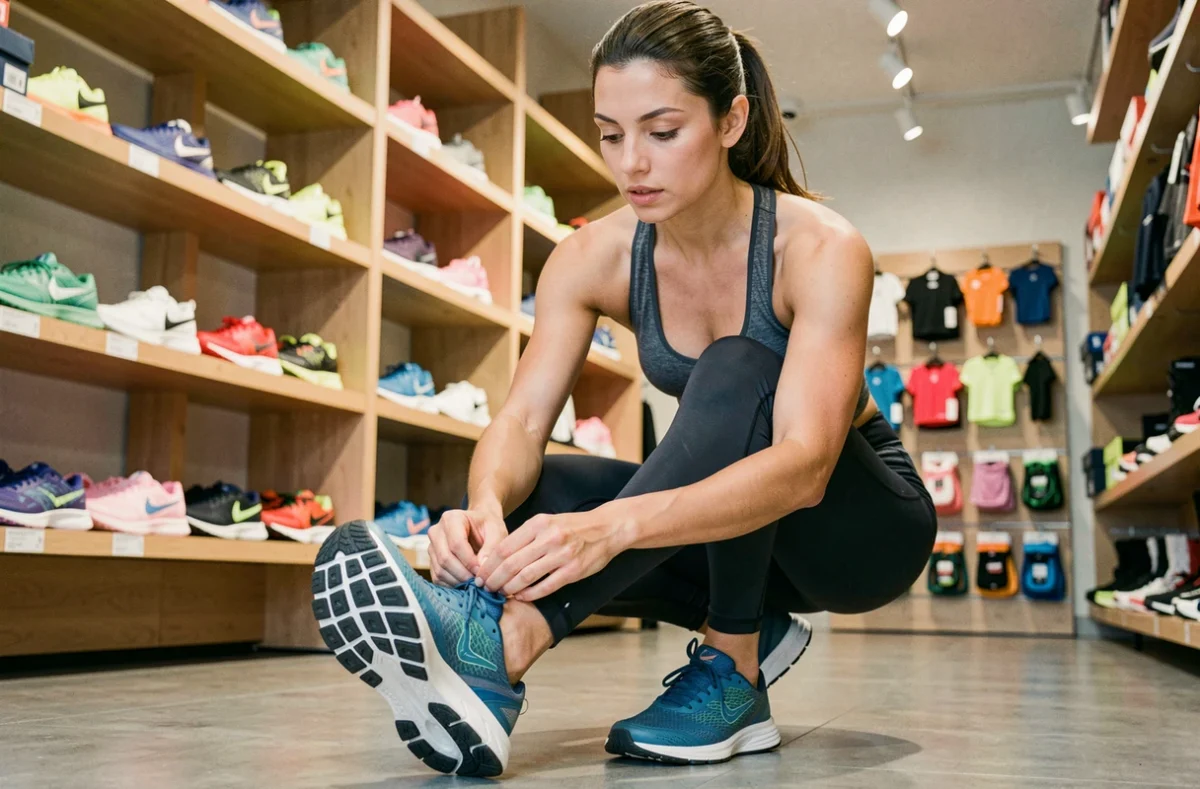
A runner who finishes their outing with a blister on their heel or a cyclist whose jacket gets soaked in the first drizzle does not lack willpower. Their sports equipment holds them back. Choosing the right gear means first eliminating what generates friction, discomfort, or a risk of injury, and then directing every euro towards what truly enhances the experience.
PFAS Regulation and Waterproof Clothing: What Changes in 2026
If you buy a trail jacket, hiking pants, or outdoor shoes with a water-repellent treatment, the chemical composition of the product directly concerns you.
The regulation (EU) 2024/2462 limits PFHxA, its salts, and related substances in clothing, accessories, and shoes intended for the general public starting October 10, 2026. PFAS, these perfluorinated compounds long used to make textiles waterproof, are subject to measured thresholds in homogeneous materials.
Specifically, when choosing a technical garment, two points should be checked. First, the mention of a PFAS-free water-repellent treatment on the label or product sheet. Then, the manufacturer’s declaration of conformity, which holds them accountable for compliance with European thresholds. Serious brands are moving towards polyurethane-based membranes or bio-sourced water-repellent treatments. Those that provide no information on the subject deserve to be questioned before purchase.
This regulatory constraint has a positive effect: it pushes manufacturers to offer equally high-performing alternatives, sometimes more breathable, and less problematic for health and the environment.
Sports Shoes: The Criterion That Takes Precedence Over All Others
You might hesitate over the color of a jersey without consequences. For shoes, a mistake can lead to tendonitis, periostitis, or a black toenail. The shape of the shoe must conform to the shape of the foot, not the other way around.
The type of stride (pronating, supinating, neutral) guides the choice of support, but the width of the forefoot and the volume of the instep are equally decisive. A running shoe that is too narrow compresses the metatarsals with each step. Multiply that by several thousand strides on an outing, and the injury becomes predictable.
To sort through the options available in the equipment offered by Az Sport, it’s helpful to measure your foot at the end of the day (the volume increases with activity) and to leave about half a size of space in front of the toes.
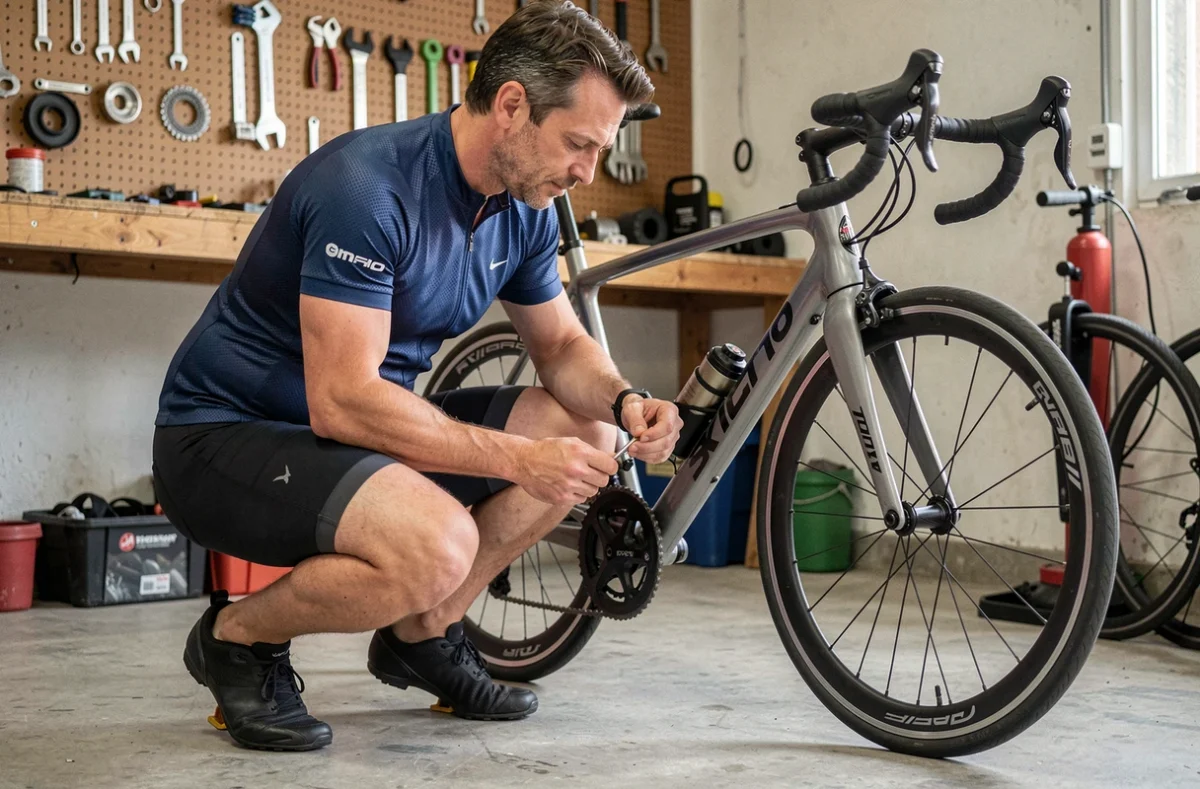
The same reasoning applies to cycling (sole stiffness, compatibility with automatic pedals), skiing (boot flex appropriate to the level), or handball (non-marking sole, lateral cushioning). Each discipline imposes its biomechanical constraints, and the shoe remains the area where budget cuts should not be made.
Sustainable Sports Equipment: Repairability and End-of-Life as Selection Criteria
Buying a pair of shorts made from recycled polyester is a first step. The European strategy for sustainable textiles goes further: it targets more durable, repairable, and recyclable products. The revised framework directive on waste now includes textiles in separate collection streams.
When comparing two similarly priced products, three questions help make a decision:
- Does the manufacturer offer a repair service or spare parts (zipper, membrane, laces)?
- Is the product designed in a single material or easily separable assembly, facilitating recycling at the end of its life?
- Does the warranty cover normal wear beyond the legal minimum?
A repairable piece of equipment costs less over five seasons than a disposable product replaced every year. Feedback on this point varies by brand, but the trend is clear: manufacturers investing in the mechanical durability of their products gain overall reliability.
Adapting Your Gear to Your Actual Practice, Not Your Ambitions
We often see beginners in running gear up with a high-end GPS watch featuring a power sensor before they can even run for thirty minutes without stopping. The issue is not the watch; it’s the order of priorities.
Here’s a prioritization grid that works for any sport:
- First, safety gear: helmet (cycling, skiing, climbing), protective gear (rugby, handball), shoes suited to the playing surface
- Next, basic comfort: technical clothing with moisture-wicking properties, a supportive sports bra appropriate for the intensity, seamless socks
- Finally, performance accessories: heart rate monitor, smart watch, specific insoles, additional training accessories
Safety comes before performance. A properly fitted bike helmet offers better protection than a power sensor provides improvement.
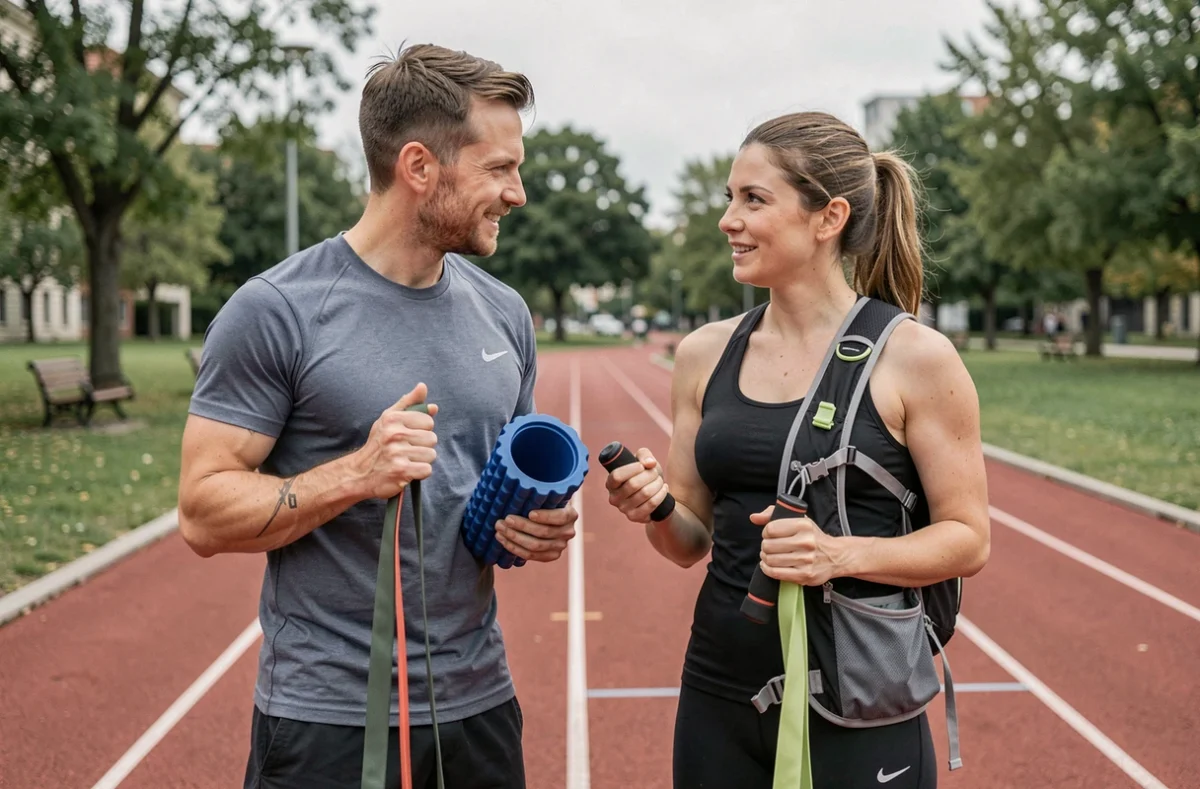
For clothing, the material matters more than the brand. Cotton absorbs sweat and sticks to the skin. Synthetic fibers (polyester, polyamide) or merino wool wick away moisture and dry quickly. For both indoor and outdoor exercises, a breathable fabric reduces thermal fatigue and improves long-term comfort.
Check Before You Buy: Concrete Control Points
Rather than a list of brands, let’s conclude with actions that prevent poor purchases. Try on shoes with the socks you will wear during training. Ensure that the cut of the garment allows for the full range of motion required for your discipline (a squat for fitness, a torso rotation for golf, a deep bend for skiing).
Read the fabric composition on the label. If the percentage of elastane exceeds a small proportion, the garment is likely to deform quickly. Check for flat seams in areas of friction (armpits, crotch, collar). The interior finishes reveal the true quality of a sports garment.
Choosing sports equipment is not just a price comparison. Regulations are evolving, materials are advancing, and the right decision always depends on your body type, your discipline, and your frequency of practice. Check compositions, try the gear in the conditions of your sport, and direct your budget towards the areas that protect and endure.